
Clinical Reasoning Strategies for Lower Limb Conditions
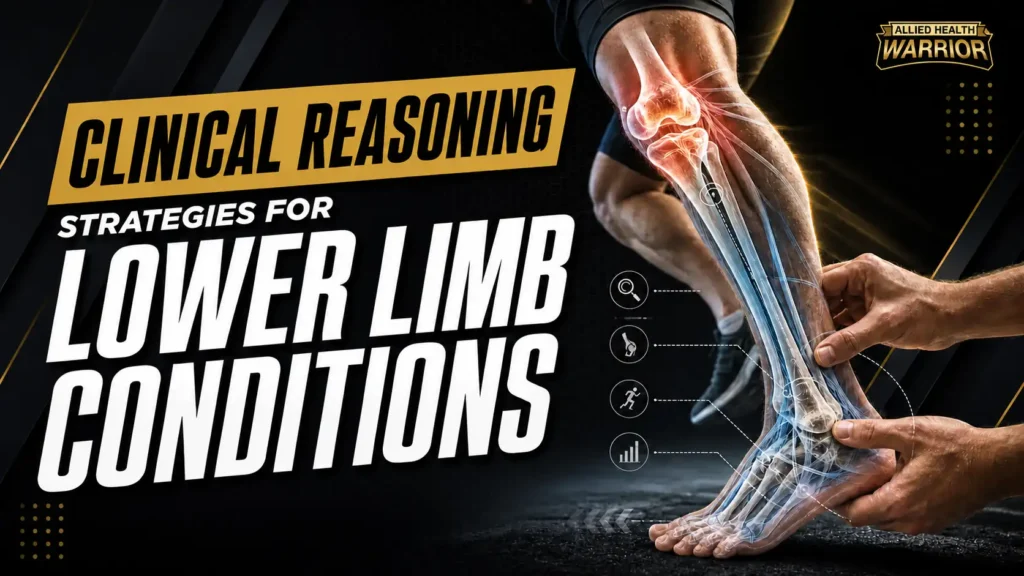
From Assessment to Action Strengthen your clinical reasoning across common foot, ankle and acute knee presentations. This course reviews key foot and ankle anatomy, clinical outcome measures, normative values and differential diagnosis before exploring rehabilitation planning, exercise progressions and regressions, expected recovery time frames, and considerations for returning to running, impact activities and sport. You’ll […]
Dysphagia
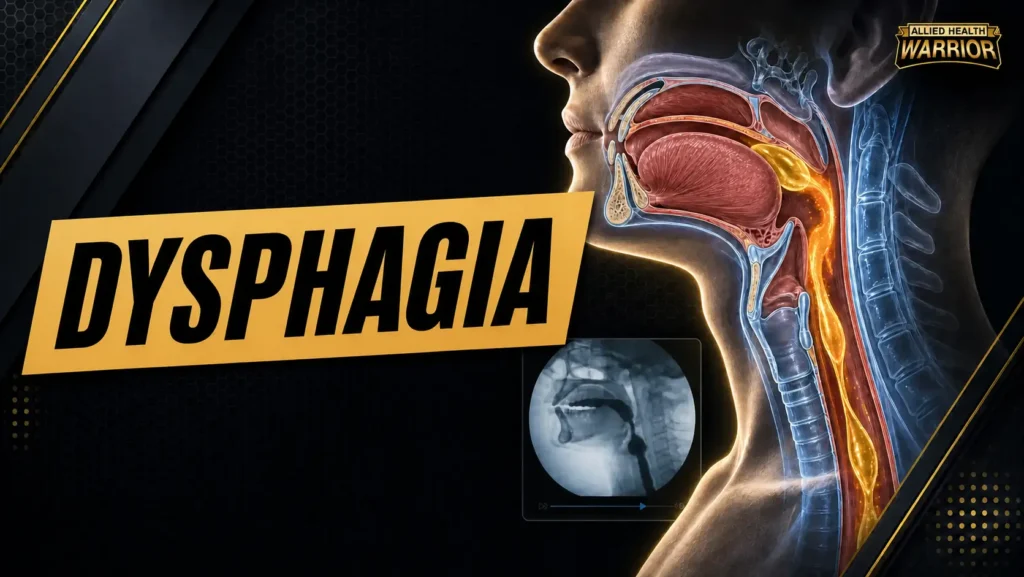
Build foundational knowledge of dysphagia through an overview of swallowing anatomy, physiology and the phases of swallowing. The course explores the adult swallowing assessment process, from early identification and initial clinical assessment through to instrumental assessment, onward referral and collaborative care. Designed for new graduate and early-career speech pathologists, as well as allied health practitioners […]
Interoception Series

Explore interoception—the perception of internal bodily signals such as hunger, thirst, pain and emotional states—through a neuroscience-informed and clinically relevant lens. Presented by Mahek Bansal, this series examines how interoception develops, integrates with other sensory systems and contributes to self-regulation, emotional awareness and everyday functioning. Progress from foundational theory to recognising possible interoceptive challenges across […]
Intro to Assistive Technology
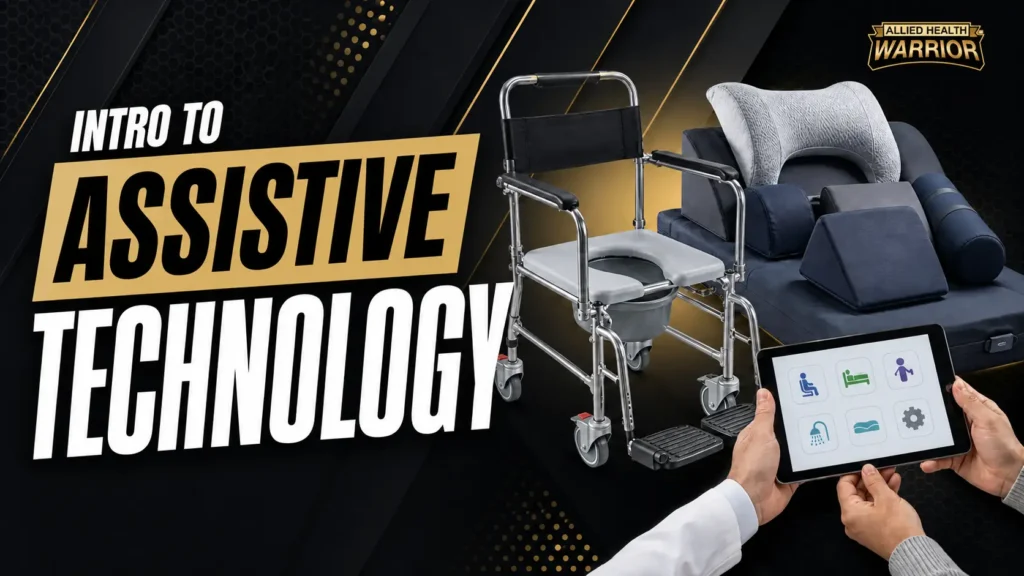
Develop a foundational understanding of assistive technology and its role in supporting the daily activities, participation and independence of people with disability. This course introduces common assistive devices and key considerations for assessment, prescription and integration into occupational therapy practice, with a focus on mobile shower commodes and sleep positioning systems. Explore the clinical priorities […]
Paediatrics: Play, Language & Assistive Tech
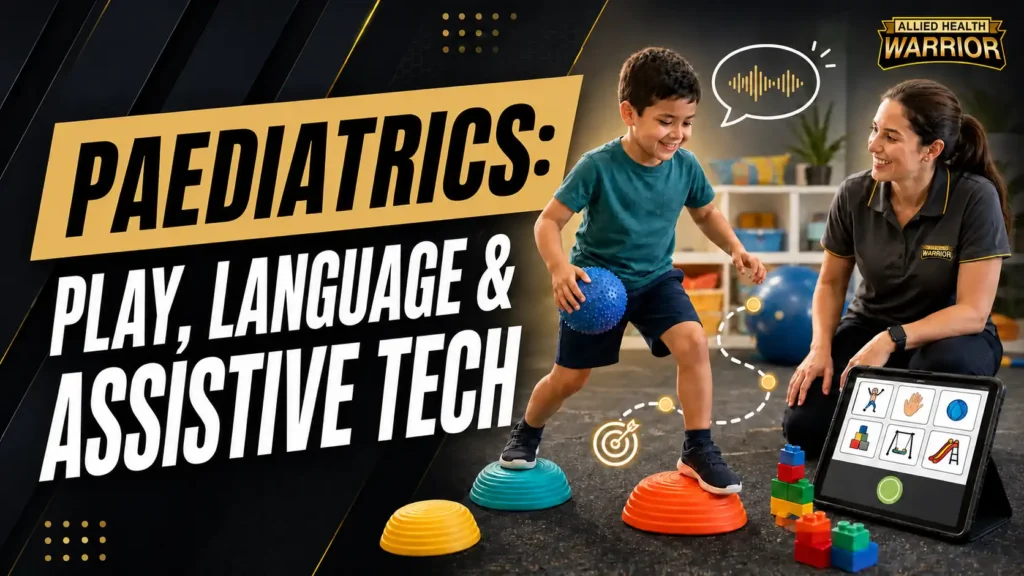
Explore evidence-informed approaches to supporting children’s engagement, development and participation through play-based intervention. This course examines child-led practice, therapeutic gamification and strategies for balancing autonomy, connection and appropriate boundaries. It also considers sensory needs, foundational motor and cognitive skills, individual motivators, and the principles of autonomy, competence and relatedness. Develop foundational knowledge of speech and […]
Neuro Navigators: Clinical Reasoning & Communication in Complex Care
Explore clinical reasoning and collaborative practice across neurological rehabilitation, progressive neurological conditions and complex communication. This course presents a systematic approach to assessment, goal setting and treatment planning, integrating client history, physical examination and diagnostic findings to inform individualised rehabilitation strategies. Case insights demonstrate how occupational therapy and multidisciplinary teamwork can support ongoing adaptation, independence […]
Severe TBI & Disorders of Consciousness
Develop a clinically relevant understanding of moderate to severe traumatic brain injury (TBI), from the mechanisms of primary and secondary injury through to classification and common physical, cognitive, behavioural and vestibular presentations. This course examines abnormal posturing, postural management and the broader effects of TBI to support holistic assessment and rehabilitation planning. Explore evidence-informed rehabilitation […]
Social Skills
Develop a structured understanding of social communication and the individual elements involved in social interaction. This course explores approaches to assessing these elements and translating findings into clear, skills-based and neuroaffirming reports that identify strengths, support needs and relevant areas for intervention. The course also considers how social communication strategies can be adapted for people […]
Switches / Exploring Access
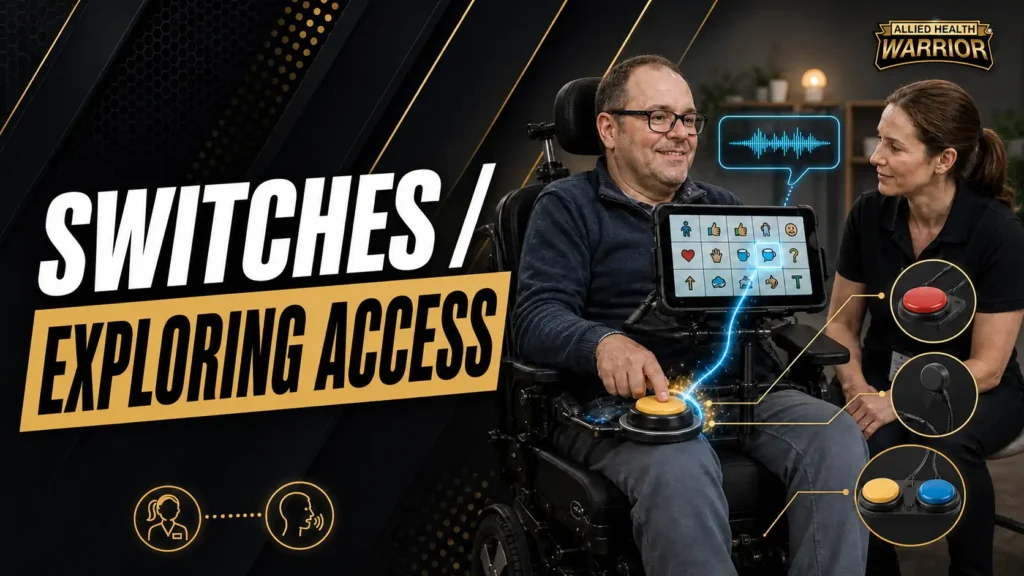
Presented by Sarah-Louise Higgins and Gayle Rogers, this course takes a multidisciplinary approach to direct and indirect access options for people who use augmentative and alternative communication (AAC) devices. Explore key considerations for assessing access needs, selecting equipment and supporting individualised skill development. The course provides a practical framework to inform appropriate device prescription and […]
Problematic Sexual Behaviour in NDIS practice
Presented by Rachel Hardcastle, this course supports Behaviour Support Practitioners to approach problematic sexual behaviour across the lifespan through a safe, ethical and rights-based lens. Explore how to distinguish problematic behaviour from developmentally expected or consensual behaviour, consider contributing factors, and apply structured approaches to assessment, risk formulation, consent, capacity, safeguarding and professional documentation. The […]